Why You Should Change Filters Based on Differential Pressure—Not Just a Schedule
How monitoring pressure drop can reduce costs, prevent failures, and improve system performance
In many manufacturing facilities, filter changes happen like clockwork—quarterly, monthly, or after a set number of operating hours. While scheduled preventive maintenance (PM) is a good start, it’s not always the most effective approach.
The problem? Filters don’t load at a consistent rate—and changing them too early wastes money, while changing them too late risks system damage, poor air quality, and product contamination.
The smarter approach: change filters based on differential pressure (DP).
What Is Differential Pressure?
Differential pressure is the difference in air or fluid pressure before and after a filter. As a filter loads with particles, it becomes harder for air or liquid to pass through—causing pressure to build up on the upstream side.
That pressure difference tells you how much restriction the filter is causing—and whether it’s time to replace it.
💡 Think of it as a “filter performance meter.” A clean filter has a low DP. A dirty or clogged filter shows a rising DP.
Where PM Schedules Fall Short
PM schedules are based on assumptions. But filter loading doesn’t follow a calendar—it’s affected by real-world conditions like:
Production volume changes
Equipment upgrades or maintenance activity
Outdoor air quality and air intake exposure
Exterior or system factors causing contamination- such as oil, water
Seasonal and environmental factors—such as pollen, construction
For example, facilities located in the Southeast, Midwest, or along the East Coast typically face heavy pollen exposure during spring and fall. These environmental spikes can cause filters to load up significantly faster than expected.
If you’re replacing filters every 90 days, you might be:
Changing too early in the winter (wasting filter life)
Changing too late in April (compromising system performance or air quality)
Without tracking DP, you're making blind decisions leading to premature changeouts or unexpected failures that impact people, equipment, and product quality.
Benefits of Changing Filters Based on DP
Switching to DP-based filter changes provides measurable benefits:
✅ Lower maintenance costs Avoid unnecessary filter replacements when the media still has life left.
✅ Improved system efficiency Optimize flow and reduce energy costs by changing filters when they begin to restrict performance.
✅ Reduced risk of equipment failure Overloaded filters can collapse, leak, or bypass—leading to system contamination.
✅ Smarter asset management Track filter performance over time and use the data to plan upgrades, right-size filters, or adjust system specs.
What’s the Right DP for Filter Changeouts?
It depends on the system and media type. Here are some general guidelines:
Filter Type
Typical Final DP for Replacement
Panel or pleated filters
1.0–1.5" w.g.
Bag filters (HVAC)
1.5–2.0" w.g.
HEPA filters
1.5–2.5" w.g. (check spec sheet)
Liquid bag filters
10–15 PSI
Cartridge filters
20–30 PSI
Always check manufacturer specs and baseline startup pressure.
How to Monitor DP
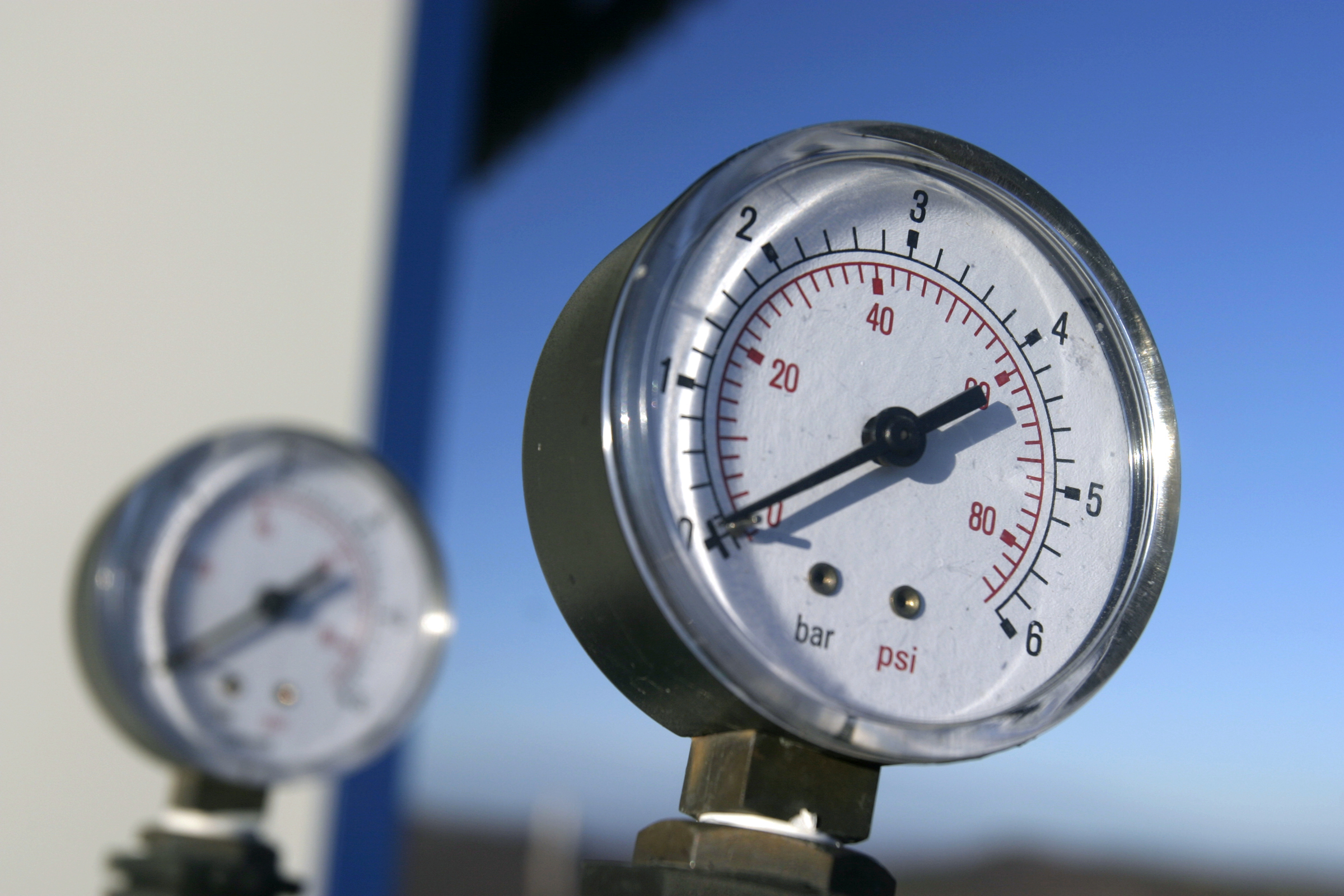
Install differential pressure gauges on air handlers, housings, or filter vessels.
Use digital sensors for automated monitoring or integration with BMS/SCADA systems.
Keep a simple log of readings during routine inspections.
🎯 A rising DP over time = normal filter loading 🚩 A sudden spike in DP = possible clog or process issue ⚠️ No change in DP = bypass, collapsed filter, or gauge issue
.png)