How a Strategic Filtration Overhaul Saved an Automobile Plant $3.5 Million
Total Filtration Services
The customer is an American multinational automobile manufacturer headquartered in southeast Michigan. This case study focuses on their axle assembly plant, which spans 171 acres and employs approximately 2,391 workers. At the time, Total Filtration Services (TFS) had been a trusted supplier to the company for more than two decades but supplied only a small number of filters to the assembly plant discussed in this case study.
Challenge
This plant assembles vehicle axles for some of the customer’s most popular vehicles and paints them to prevent rusting. The plant’s head engineer was referred to a TFS filter expert after contacting colleagues at other assembly plants for a solution to the inefficiencies and costs associated with their new hook-washing system.
Washing prevents this particulate from falling onto the new axles on the conveyer below (just before reaching the paint cell), which causes paint defects. The washing system also ensures conductivity, as the paint is electrostatically charged. When the hooks aren’t cleaned and grounded properly, a significant amount of paint overspray is wasted, as it’s not reaching the small crevasses of the axles.
Paint Wash Process
Due to affordability and filtration issues, the washing system was taken out of service. This required the customer to develop an alternate system to clean the hooks before reaching the reload zone. The customer also designated a manual zone after the paint booth to inspect each part before reaching the curing oven and manually sprayed areas of the axle that were missed. This inefficient process slowed production and increased labor and waste expenses.
TFS coordinated a site visit to evaluate the customer’s paint process and understand why the washing system failed to provide the desired results. It was discovered that the OEM-designed filtration for the application was incorrect.
The TFS Solution
The customer’s filtration design for the wash system consisted of multiple components. First, roll media captured large particulates (25µ) in the wastewater from the cleaning process. Next, two stages of liquid filter cartridges polished the water by removing particulates at 15µ and 10µ and extended the life of the 5µ liquid bag filter, which protects the water jetting pump that resupplies the washing box with clean water to be reused for the next round of cleaning.
A trial was conducted to record the performance of the existing filtration setup and compare it with an alternative solution. TFS filter experts began the trial by prioritizing bag life and proper construction before evaluating the performance of the cartridges and roll media.
The 5µ (micron) nylon monofilament mesh liquid filter bag used to protect the pump was the first problem identified, as it lasted less than ten minutes before needing to be changed due to the media being blinded off by particulate uncaptured by the cartridges.
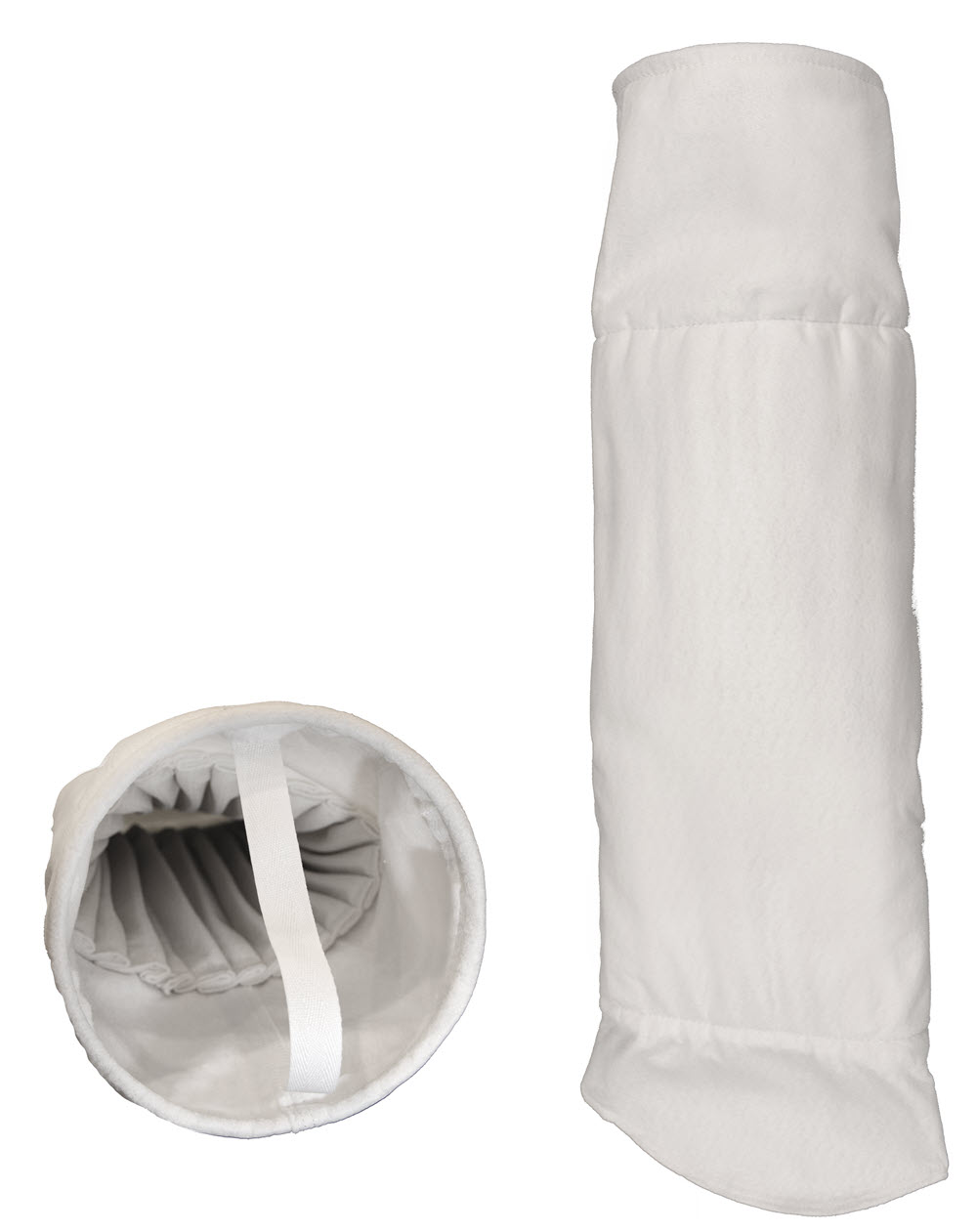
The best results were recorded after installing a Rosedale size two housing instead of the existing size four housing and switching to a 5µ needle felt pleated polyester bag filter from AJR Filtration. The change in bag size and media increased the filter surface area by 10x and increased filter bag life by 180 minutes before requiring a changeout.
The next part of the trial consisted of switching out the pleated surface loading cartridges in favor of AJR stringwound depth loading cartridges for stages 1 and 2 (15µ and 10 µ). These filters effectively removed the smaller particulates not captured by the roll media and helped to extend the life of the bag filter.
It was determined that the 25µ 72gr PCP brand of roll media was the best choice for capturing large particulates in the wastewater from the wash box. The media averaged 120 second index time, achieved the best filter cake, and proved to protect the 15 and 10µ micron cartridges better than other media trialed. The media roll was changed once per shift.
The customer estimated the filtration solutions provided by TFS would generate an annual operating reduction of $3,519,020, plus additional reductions in labor, freight, and waste disposal.
Costs will reduce further with the continued running of the hook washer and the startup of the ALSI/Palin system, as it had been out of service previously. Additional cost savings will also be achieved from the reduction of maintenance downstream such as the washer unit.
Need help solving a tricky filtration issue?
Whether it’s air, liquid, or process filtration, we’re here to help you find the right solution.
.png)